

Robot Vacuum With Lidar
Do you want to have a robotic vacuum cleaner that can effortlessly navigate your furniture and obstacles? Think about a model that has Lidar.
Lidar is similar to sensor technology used in self-driving vehicles and video games. It emits laser pulses that bounce off of objects and return to a sensor. This enables the robot to calculate distance and create 3D maps of rooms.
Object Detection
A robot vacuum equipped with lidar sensors can detect objects and produce a 3D map of the room. These sensors use laser pulses that bounce off the objects and back to a sensor, then the system determines the distance on the basis of the time it takes the pulse to return. This is similar to how a laser rangefinder works.
Lidar gives more precise mapping of the environment which allows robots to better avoid obstacles. It also allows them to work at night or in dark spaces, where cameras-based robots might struggle. Lidar, unlike cameras, can see through furniture and walls which is essential to navigate small areas.
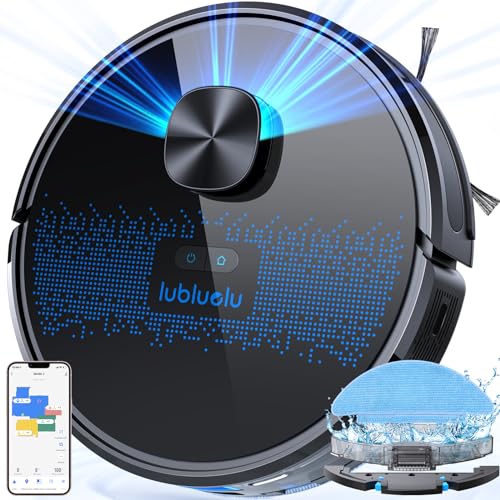
You can buy a robotic vacuum that doesn't come with lidar. However, you'll likely need one with it. Without a good navigation system, it might be difficult to get a machine to clean up the entire area without bumping into furniture and other obstacles. The majority of robots utilize SLAM navigation which is very effective in avoiding obstructions and cleaning in straight lines.
Most robots with a good navigation system also have sensors on the walls that stop them from pinging off of furniture or walls, creating noise, which could damage the robot. These sensors are especially useful when you are using Edge Mode, which causes the robot to zig-zag along the walls to better catch debris.
Other navigation systems include gyroscopes which are cheaper and more reliable than laser-based sensors. These systems are more accurate than SLAM however they have limitations in certain lighting conditions or on reflective surfaces. Camera-based systems may be more complex than SLAM but they are usually less expensive and require less upkeep.
Another feature to look for is drop detectors, which will prevent the robot from falling down a stairwell or crossing the threshold of an area that it is not able to safely navigate. These are crucial features for pet owners or children in the home. You can also designate no-go zones that limit where the robot is allowed to travel. This is helpful when there are items that are sensitive such as wires you don't want to touch.
Distance Measurement
The ability to measure distances enables robots to navigate through an area efficiently and plan its cleaning route. Lidar sensors use laser beams that bounce off surfaces in the room, and then return to the sensor, allowing it to map out the space and determine how far objects are from the robot. The robot can avoid hitting walls, furniture, and other obstacles. lidar robot vacuums ensures that all areas are clean. Lidar systems might require maintenance from time to time like cleaning dust from the sensor, but this is usually minimal and easy to do.
Some robots use camera technology as well to help them navigate. Cameras can take pictures and analyze their surroundings to help them understand what they're seeing. This is useful for finding obstacles however, it also enables the robot to identify certain kinds of objects other sensors might miss, like cords or area rug. Camera-based navigation is cheaper than lidar, but is not as effective in certain situations. For instance when it is too dark or if there are a lot reflective surfaces, the camera might not be able see an object.
One of the most important aspects to consider when choosing a robot is the amount you are willing to spend. The more advanced and effective the robot's navigation system and the more expensive (and usually more costly) it will be. If cost is a major factor you can pick from a wide range of low-cost models that still offer a decent level of navigation.
If you're looking for the most expensive model, you can look for one that makes use of SLAM or lidar to make an accurate map of the room to design a smooth, efficient route. In our tests, robots that used these systems were able to complete more of the space in less time without crashing into furniture or walls. They could also better follow the boundaries you've set for "No-Go Zones" by taking smart routes that avoid areas you don't want them to go into.
Obstacle Detection
Robot vacuums aren't able to navigate your home despite their advanced technology. They can be stuck on charging cables, socks and other objects that you don't notice until you search for them. This is usually due to a flawed mapping and path planning algorithm or a poor obstacle detection.
Certain robots use a technique called SLAM (visual simultaneous localization and mapping), which creates a high-resolution image of your room. They are also able to detect obstacles like furniture, walls and staircases. Some robots utilize 3D Time of Flight to scan a space using light pulses that bounce of surfaces and then analyze the delay before they return to determine the width, height and shape of objects. These sensors could also have difficulty with transparent or reflective surfaces.
A good robotic vacuum with LiDAR may also have other navigation technologies to complement the sensor's abilities. Gyroscopes that use the wheels of the robot to spin rapidly or a beam that whirls around to measure distances between objects and the robot can help with positioning. This is particularly useful in corners. They can also work as a rotation sensor to make sure your robot isn't bouncing off the wall or rolling across the floor.
Other navigation systems that use sensors include wall sensors to stop the robot from pinging off of furniture and walls which could cause damage and create a lot of noise. Edge sensors can be used to direct the robot around the edges of rooms where debris tends to accumulate, as well being able to detect ledges and stairs to ensure that it doesn't fall off. Certain robots employ monocular or binocular obstacle avoidance which makes use of two or more cameras to take photos of the surrounding area and to recognize objects. This is more effective in optimal lighting conditions but can struggle with transparent or mirrored surfaces. ECOVACS's DEEBOT smart vacuums make use of AI software for image recognition to recognize up to 30 different kinds of objects, such as shoes, socks and cables, so the robot can avoid getting stuck on them.2
Object Recognition
Robot vacuums are able perform better because of technology that recognizes objects. This is what allows them to avoid bumping into chair legs or scratching the sides of your desk when cleaning under it. It's also what enables them to scan their surroundings so they can make precise maps of rooms and navigate them swiftly and efficiently. It's generally considered to be better than other types of navigation technologies such as SLAM or Vslam, which could be troubled by complicated layouts of rooms and also detecting obstacles such as yoga mats.
These vacuums aren't likely to have advanced navigation capabilities and can bump into objects or spread dog poop all over your floors. Some of these robots can utilize bump sensors to help find their way, but they're not nearly as efficient as the ones with sophisticated technology for navigation and mapping.
If you're shopping for a new robotics device, you should try to decide what you want to spend on one and create an appropriate budget before you start looking. This will prevent you from spending more than you're comfortable with, and also prevent you from buying every feature on the market (like mopping bins that self-empty or self-cleaning capabilities).
When you are looking for your ideal robot, make sure you check the specifications of the model to determine what navigation and mapping features are included in the price range. Lidar is a premium technology that allows robots to navigate more accurately, and as such, it'll often be more expensive than models without this capability. However, if you're willing to pay more, a machine with this technology will be more efficient and speedier than models that don't.
Certain robots also allow you to create "No Go" zones, which aren't available on other models. This is an excellent option for those with a lot of wires and fragile decorations that they don't want their new vacuum to run into. This feature won't stop the robot from slipping into a messy computer cord tangle or a puddle of pet poo but it will aid it in finding a viable solution instead of scratching paint or scraping off your chair legs.